
Exploring Google Cloud Platform and Graph Databases


Intro
In the dynamic landscape of digital solutions, the seamless interplay between technologies can redefine how businesses operate. Google Cloud Platform stands out as a formidable entity, especially when it comes to handling complex data relationships. Enter graph databases, a technology that specializes in managing interconnected data by utilizing nodes, edges, and properties rather than traditional rows and columns. This synthesis of Google Cloud Platform with graph database architecture is a powerful combination that can serve a multitude of applications. From e-commerce to social networks, understanding how these technologies mesh can help decision-makers hone in on the right strategies for their operational needs.
Software Overview
As organizations are inundated with data, the fundamental challenge lies in making sense of that data quickly and efficiently. The Google Cloud Platform (GCP), in tandem with graph databases, addresses this challenge by providing robust tools designed for high-performance data management and relational analytics.
Purpose of the Software
The integral purpose of GCP is to offer businesses a scalable infrastructure that can handle vast amounts of data while maintaining accessibility and security. Graph databases, on the other hand, focus on the relationships between data points. By merging these two technologies, businesses can achieve high-velocity data insights that are pivotal in making informed decisions.
Key Features
- Scalability and Performance: GCP provides scalable solutions suited for demanding workloads. Coupled with graph databases like Neo4j or Amazon Neptune, it allows businesses to analyze complex relationships effortlessly.
- Real-time Processing: The combination enables real-time insights, critical in applications where data freshness is indispensable, like fraud detection or recommendation systems.
- Cost Efficiency: GCP’s pricing model offers flexibility, allowing businesses of all sizes to leverage powerful capabilities without straining budgets.
Additionally, Google’s integrated AI and machine learning functionalities augment the potential of graph databases, making it a compelling choice for businesses that aim to extract maximum value from their data analytics efforts.
"The interplay of GCP and graph databases allows businesses to transcend traditional data limitations, unlocking insights hidden within complex data networks."
Comparison with Competitors
In a crowded marketplace, it is essential to evaluate how GCP stack up against alternative cloud solutions like Amazon Web Services and Microsoft Azure, especially in terms of graph database functionalities.
Feature-by-Feature Analysis
- GCP:
- AWS:
- Azure:
- Unified data access.
- Superior machine learning integration.
- Simpler architecture for deployment.
- More extensive marketplace support.
- Established graph capabilities through Amazon Neptune.
- Strong focus on hybrid cloud solutions.
- Azure Cosmos DB excels in multi-model database support yet may lack discrete graph features.
Pricing Comparison
GCP typically follows a pay-as-you-go model, which can be advantageous for businesses looking for flexible billing options. In contrast, AWS pricing can become complex quickly due to additional layers for various services. Azure offers a predictable pricing structure but may not always provide the same level of cost-effectiveness compared to GCP for graph-related workloads.
Ultimately, when choosing the right platform, it’s not just about pricing or features, but how these elements align with your unique business needs and the specific graph-related use cases you aim to tackle. By carefully weighing these aspects, organizations can position themselves for enhanced productivity and innovation in today’s competitive environment.
For further reading, you might find relevant insights at Wikipedia or discussions on platforms like Reddit.
Foreword to Google Cloud Platform
In the rapidly evolving landscape of technology, the emergence of cloud computing has reshaped how businesses operate. This shift has brought Google Cloud Platform (GCP) to the forefront, offering a set of tools and services that cater to various IT needs. Understanding GCP is essential for grasping the solutions it provides, especially when integrating advanced data management systems like graph databases. With businesses, ranging from startups to established enterprises, increasingly relying on data, the capabilities of GCP can enhance operational efficiency, scalability, and flexibility.
Beyond just storage or processing power, GCP is designed to facilitate a comprehensive ecosystem for developers and businesses alike. The appeal of GCP lies not only in its powerful infrastructure but also in the various services it offers, empowering organizations to innovate and streamline processes.
Overview of GCP Services
GCP presents a wide array of services tailored to meet the diverse needs of modern businesses:
- Compute Engine: Facilitates the deployment of Virtual Machines (VMs), enabling businesses to scale their resources on-demand.
- App Engine: A platform for developing and hosting applications without the need for managing the underlying infrastructure, making it suitable for developers focused on building applications instead of maintaining servers.
- Cloud Storage: Provides scalable and secure storage solutions for data, essential for businesses dealing with large volumes of information.
- BigQuery: A robust data warehouse solution that allows users to run queries on massive datasets in seconds, streamlining data analytics.
- Cloud Functions: Enables running code in response to events without having to provision or manage servers, fostering a microservices architecture.
These services set the stage for powerful data management solutions, particularly with graph databases that thrive on complex relationships.
The Role of Cloud Computing in Modern Business
Cloud computing has become the backbone of many industries. It's not merely a tool; it's a revolution. For businesses wanting to stay competitive, leveraging the cloud is crucial. Here are a few ways cloud computing has transformed modern business operations:
- Cost Efficiency: Minimizing upfront hardware investments and moving to a pay-as-you-go model helps manage financials better.
- Accessibility: Resources hosted in the cloud can be accessed from anywhere, enabling remote work and global collaboration.
- Scaling Up or Down: GCP allows businesses to adjust resources in real time, catering to varying workloads without overcommitting again and again.
- Optimization of IT Focus: Organizations can redirect their IT efforts from mundane tasks like maintenance to strategic initiatives that drive growth.
"In the age of digital transformation, opting for cloud solutions is not an option; it's a necessity for survival."
As we proceed through this article, we'll explore how GCP enhances the potential of graph databases, providing tools and frameworks that align perfectly with the demands of data-driven business strategies. By understanding GCP's offerings and the significance of cloud computing, organizations can make informed decisions that resonate with their growth objectives.
Understanding Graph Databases
Understanding graph databases is crucial in today's data-driven world. These databases are designed to handle interconnected data, which means they excel in scenarios where relationships between data points carry significant weight. As businesses increasingly rely on complex data workflows, it becomes vital to grasp how graph databases can be employed to optimize data management and enhance analytical capabilities.
What Constitutes a Graph Database?
A graph database is fundamentally a structured system that uses graph structures for semantic queries. The two main components of a graph database are nodes and edges, where:
- Nodes represent entities or data points, such as customers, products, or locations.
- Edges signify the relationships between these nodes, defining how they interact or are associated with one another.
For instance, imagine a social network where users are nodes. The friendships between users are the edges that connect these nodes. This approach allows graph databases to express complex relationships without the need for cumbersome joins prevalent in traditional relational databases.
Graph databases are underpinned by graph theory principles, making them particularly suitable for representing entities and their connections. This characteristic is invaluable, especially for small to medium-sized businesses seeking to visualize and analyze relationships swiftly.
Key Features of Graph Databases
Graph databases come with several features that set them apart from conventional database systems:
- Dynamic Schema: Unlike relational databases, which require a fixed schema, graph databases allow for a more fluid approach. New entities and relationships can be easily added without significant restructuring.
- High-Performance Queries: They offer efficient traversal methods that enable queries across complex networks without performance bottlenecks.
- Intuitive Data Modeling: The graph model is often easier for users to conceptualize, as it mirrors the way logical relationships exist in real life.
- Scalability: As data volumes grow, graph databases can scale horizontally, maintaining performance levels without compromising query speed.
These features are particularly attractive to IT professionals and entrepreneurs looking to enhance their data capabilities while maintaining flexibility in data management frameworks.
Comparison with Relational Databases
Relational databases have been the go-to solution for managing structured data for decades. However, as the sheer amount of data and the complexity of relationships have surged, the limitations of relational systems have become increasingly evident:
- Fixed Schema Limitations: Relational databases require a pre-defined schema, making them less adaptable to change when business needs evolve.
- Inefficiency in Relationships: In scenarios involving intricate connections, relational databases necessitate multiple joins that can slow down response times, especially when dealing with vast data sets.
- Data Retrieval Complexity: Considering relationships often necessitates complex queries that can be hard to write and maintain.
In contrast, graph databases shine in environments where understanding and exploring relationships in data drives insight and decision-making. They can simplify data retrieval while offering agility in data structure.
In summary, for businesses inclined towards extracting meaningful insights from their data—particularly where relational pathways are essential—comprehending graph databases isn't just beneficial; it's imperative. Understanding their core elements and differentiating them from traditional arrangements allows organizations to choose the most effective data strategies relevant to their objectives.
The Synergy of GCP and Graph Databases
In the contemporary technological landscape, the fusion of Google Cloud Platform (GCP) and graph databases presents a compelling opportunity for businesses to leverage data in more insightful ways. The combination of GCP's robust cloud services with the flexibility of graph databases creates an ecosystem where data can be interconnected and analyzed more naturally than in traditional settings. This synergy is not merely a trend; it represents a foundational shift in how organizations can manage and derive value from their data.
Integrating Graph Databases into GCP
Integrating graph databases into GCP involves a series of strategic steps that capitalize on both GCP's infrastructure and the inherent qualities of graph databases. One primary consideration for integration is the choice of the graph database software that aligns with specific business needs. Popular services such as Neo4j or RedisGraph can seamlessly operate within GCP's environment, benefiting from its scalability and accessibility.
A significant factor in this integration is leveraging the Google Kubernetes Engine (GKE) which enables the deployment of graph databases in a containerized format. This allows organizations to scale their graph database instances up or down based on real-time demands, enhancing both efficiency and cost-effectiveness. Another aspect is utilizing Cloud Storage for data handling, which supports the vast amounts of interconnected data typical of graph models.
Furthermore, integrating tools like BigQuery can enhance analytic capabilities, allowing businesses to conduct complex queries across both structured and graph data. This combination opens the door to more nuanced insights that can drive strategic decisions. As organizations migrate towards data-centric models, the integration of graph databases on GCP stands out as a practical solution for constructing a responsive data architecture.
Benefits of Using Graph Databases on GCP
Using graph databases within GCP carries several distinct advantages that can significantly impact a business's operational effectiveness. First and foremost, the flexibility and agility of graph databases enable businesses to adapt their data structures rapidly, accommodating new requirements without the heavy lifting traditionally necessitated by relational databases.
- Scalability: GCP's infrastructure supports automatic scaling, allowing businesses to handle varying loads effortlessly. This scalability means that as user demand grows, the graph database can expand in sync without a hitch.
- Enhanced Performance: Graph databases excel in traversing complex relationships within data. When deployed on GCP, they can take advantage of high-performance computing resources, thereby enhancing query response times and overall system responsiveness.
- Seamless Collaboration: With GCP's collaborative tools, teams can work together more efficiently while accessing unified graph data. This fosters a more integrated approach to problem-solving and innovation.
- Cost Efficiency: Utilizing GCP services helps minimize the upfront costs associated with setting up and maintaining infrastructure. Organizations only pay for what they use, shifting from capital expenditures to operational expenditures.
In sum, using graph databases on GCP not only optimizes data management but also empowers organizations to harness the full potential of their data in ways that were not previously possible. Through this powerful synergy, businesses can gain insights, improve efficiencies, and ultimately drive better decision-making processes.
"The marriage of Google Cloud and graph databases is where the magic happens—unlocking potential and insights that can reshape entire industries."
Popular Graph Database Solutions on GCP
The landscape of data management is evolving, and graph databases are becoming increasingly crucial in this era shaped by complex interconnections among data. This section explores the leading graph database solutions available on the Google Cloud Platform (GCP), shedding light on their unique capabilities and potential benefits for businesses.
Utilizing graph databases allows for more effective data modeling, accommodating intricate relationships and patterns that traditional databases may struggle to represent. With GCP leveraging robust infrastructure, these databases can scale and perform better in real-world applications. Choosing the right graph database solution on GCP can bolster your business’s analytical capabilities and support data-driven decision-making. Here, we will delve deeper into three popular graph database solutions: Neo4j, Amazon Neptune, and RedisGraph.
Neo4j: A Closer Look
Neo4j stands out as a premier graph database. Its architecture is specifically designed to handle and optimize graph-related queries. The performance benefits of Neo4j on GCP stem largely from its ability to manage large datasets effectively, offering ACID compliance that ensures transactions are processed reliably.
One of Neo4j’s core strengths is its Cypher query language, which simplifies querying graph structures, making it more user-friendly and thus attractive to businesses not wanting to deal with steep learning curves. Additionally, the integration capabilities with other GCP services, like BigQuery for analytics, expand the horizons for data exploration and interpretation. Businesses operationalizing on GCP can leverage Neo4j’s operational resilience and elasticity, meaning that whether your data load is light as a feather or heavy as lead, Neo4j adapts seamlessly.
Amazon Neptune and Its Integration
Amazon Neptune's integration with GCP may come as a surprise to some, given that it is closely associated with AWS. However, it has a notable presence within the GCP ecosystem. Neptune is a fully managed graph database service that supports both property graph and RDF graph models. This flexibility is beneficial for organizations working across various data paradigms.
Its performance is commendable, often demonstrating rapid query processing times thanks to its optimizations under the hood. What sets Neptune apart is its robust security features—this includes ISO compliance, encryption-at-rest, and in-transit data protections. It aligns well with businesses that prioritize security and regulatory adherence, making it a suitable choice for finance or healthcare sectors.
RedisGraph: Performance Insights
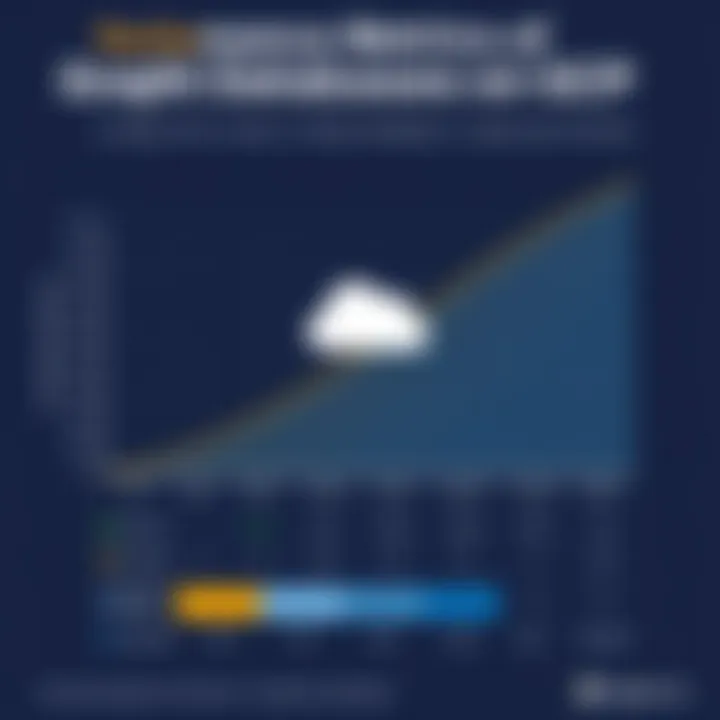
RedisGraph takes a distinctive approach as a graph database built on the powerful Redis in-memory data structure. The speed of data retrieval here is something to highlight—being in-memory allows RedisGraph to deliver results at lightning speed, a game-changer for applications requiring high throughput.
This database leverages the Cypher query language as well, ensuring a narrower learning curve for those familiar with Neo4j. Additionally, developers appreciate RedisGraph for its capability to scale horizontally with ease. Therefore, businesses dealing with heavy traffic, such as e-commerce platforms or high-traffic social media sites, can benefit from this performance insight.
"Graph databases open the door to a world of deeper insights, making them essential tools for modern data management strategies."
In summary, selecting the right graph database solution on GCP requires careful consideration of your organizational needs, data volume, and query complexity. Each of the discussed solutions has its unique attributes that can cater to various use cases, driving efficiencies and enabling more profound analytical capabilities.
Data Management on GCP: Graph Database Perspective
Effective data management is crucial for companies leveraging the Google Cloud Platform (GCP), particularly when integrating graph databases. Given the unique way that graph databases handle relationships between data points, effective management is needed to ensure they perform optimally within cloud environments. In this section, we will take a close look at the essentials of data management in the context of graph databases hosted on GCP, examine the considerations that come into play, and highlight the benefits of a well-structured approach.
Schema Design for Graph Databases
Creating an efficient schema for graph databases on GCP is no small feat. A well-defined schema is the backbone of any successful graph database. When designing a schema, it’s important to focus on how entities relate to one another. Unlike traditional databases which follow a rigid table structure, graph databases thrive on flexibility. Nodes represent individual data entries, while edges capture the relationships between them. This means the schema often has to adapt as the organization’s needs grow or change.
Considerations in Schema Design:
- Identify Core Entities: Determine essential nodes that hold the most value. In a social network, for example, these could be users, posts, and comments.
- Define Relationships: Map out how these nodes connect to each other. Do users follow each other or comment on posts? Every relationship can introduce different queries and pathways to be considered.
- Maintain Flexibility: As your data set evolves, so too should your schema. Consider using properties on nodes and edges dynamically to maintain flexibility without losing coherence.
By aligning the schema design closely with business objectives, companies can ensure their graph databases provide actionable insights.
Data Storage and Retrieval Mechanics
In the world of graph databases, data storage and retrieval mechanics play a pivotal role. It is not just about where your data lives but how you access it efficiently, especially on GCP's infrastructure.
Storage methods in graph databases can vary. Typically, such databases are optimized for relationships, meaning that traditional methods of organizing data into rows and columns are eschewed in favor of more intricate interconnected structures.
Key Aspects of Data Storage and Retrieval:
- Optimized Storage Solutions: Cloud-native graph databases such as Neo4j on GCP utilize specialized indexing and querying mechanisms that optimize performance. This ensures faster transaction times even as the data scales.
- Efficient Querying: The way you retrieve data is equally important. With graph databases, queries can become complex very quickly. Languages like Cypher (used by Neo4j) provides powerful syntax for expressing relationships, but understanding the underlying storage mechanism is necessary to optimize performance.
- Consider Caching: Implementing caching mechanisms can significantly enhance performance by reducing the overhead of repeated queries on often-accessed data. An intelligent caching strategy can bridge the gap between data storage and access, ensuring efficient retrieval.
“A graph database doesn’t merely store data; it tells the story of relationships, making every query a journey through the data.”
For further exploration of GCP's data services, you might consider checking out the official documentation at Google Cloud Documentation or community insights on platforms like Reddit.
Use Cases for Graph Databases in GCP
Graph databases have begun to carve out niches in several industries, especially when deployed on platforms like Google Cloud. These databases stand out because they can illustrate complex relationships and connections efficiently, which is something traditional databases sometimes struggle with. That’s why understanding use cases for graph databases in the context of GCP is essential for any business looking to enhance their data capabilities.
Applications in Social Networks
Social networks thrive on connections. At its core, Facebook or LinkedIn is a massive graph of users and their relationships. Using graph databases within GCP, companies can not only map these relationships but also analyze them for insights. For instance, one could visualize user engagement trends or identify influencers within a network.
This approach allows social media platforms to tailor their content in real-time, improving user experiences. With GCP's scalability, businesses can handle vast amounts of data from user interactions without breaking a sweat. The relationship-oriented model of graph databases makes discovering patterns simpler. Imagine trying to build a recommendation engine—rather than simply matching users based on a linear set of attributes, graph databases consider the many possible paths through connected data.
Fraud Detection in Financial Services
In an age where financial fraud seems to go hand in hand with digital transactions, leveraging graph databases on GCP can become a game-changer. Fraud sits at the intersections of various data points—transactions, accounts, locations, etc. Graph databases allow for comprehensive visibility into these intersections, making them invaluable for detecting anomalies.
By constructing a real-time view of all transactions and their interconnections, financial institutions can flag suspicious behaviors. If a transaction is made in one location but the user shows consistent patterns from another, that could trigger further investigation. This capability can be a vital part of an organization’s risk management strategy. Furthermore, being cloud-based means securing and processing this volume of transactions is straightforward with GCP's tools.
Knowledge Graphs for Enhanced Searchability
Knowledge graphs serve as a backbone for search engines, providing context to data points. They allow businesses to structure unstructured data, connecting the dots between varied pieces of information. With Google Cloud's machine learning tools, these graphs can be made even smarter.
The emphasis on connecting various forms of data can lead to enhanced search experiences for platforms looking to improve user navigation. Imagine a user searching for a particular product. A knowledge graph could not only show the product but also connect it to categories, similar products, or user reviews. This interconnected data increases relevancy in search results, leading to improved user satisfaction.
In summary, graph databases on GCP offer diverse applications from social networks to finance and knowledge management that can significantly boost a company's efficiency and effectiveness. Businesses that harness this technology may well find themselves ahead of the curve in a competitive landscape.
"The beauty of graph databases lies in their ability to handle complexity, providing businesses the clarity they need amid data chaos."
Additional resources related to this topic include Wikipedia on Graph Databases, Britannica on Cloud Computing, and various discussions on Reddit concerning practical implementations.
Evaluating Performance Metrics
Evaluating performance metrics for graph databases on Google Cloud Platform (GCP) is crucial for businesses, especially those with intricate data connections. Understanding how data flows in these systems can help optimize operations, reduce overhead costs, and improve overall user experience. Often, businesses underestimate the impact of performance metrics on strategic decision-making. Yet, they form the backbone of data management, guiding companies to make informed choices about scaling their resources, enhancing system performance, and ultimately deriving insights that are actionable.
Scalability Assessment in GCP
When a business chooses to leverage graph databases within GCP, scalability becomes an essential topic to address. Scalability refers to the system’s ability to handle growth—whether that's an increase in users, data volume, or workloads. GCP offers various tools that help businesses monitor vital metrics, allowing for quick adjustments in system resources as needed.
- Dynamic Resource Allocation: One key advantage of GCP is its capacity to dynamically allocate resources based on current system demands. For instance, if a business’s data set begins to swell unexpectedly, GCP can ramp up its resources to manage this increase without sacrificing performance.
- Horizontal and Vertical Scaling: GCP allows for both horizontal and vertical scaling. Horizontal scaling spreads workloads across multiple servers, which is particularly useful for accessing large datasets in graph databases. On the other hand, vertical scaling boosts the performance of an existing server; this can be beneficial when certain aspects of your database require increased processing power.
It’s imperative to conduct regular scalability assessments to ensure systems can accommodate future demands. Consider utilizing tools like Stackdriver to monitor your application’s performance and quickly identify any bottlenecks to mitigate them before they become major issues.


Query Performance Benchmarking
Query performance benchmarking involves measuring the speed and efficiency with which graph databases respond to data retrieval requests. In the dynamic environment of GCP, where data flows can be rapid and fluctuating, this aspect is pivotal.
- Response Time Metrics: Analysts often focus on response time metrics. For instance, how quickly a query returns results directly impacts user satisfaction. If a graph database can return responses in under a second, it’s considered performant.
- Complexity of Queries: More complex queries can lead to slower outputs. Benchmarking helps identify these slow-performing queries, allowing database architects to optimize or simplify them. One common approach is to utilize indexes effectively; they can speed up data retrieval significantly.
A well-structured query not only fetches data efficiently but can also reduce database load. This means businesses can save on operating costs while enhancing user experience.
Taking the time to conduct both scalability assessments and query performance benchmarks provides a tactical advantage. By understanding the metrics that matter, businesses can refine their strategies and leverage graph databases in GCP with utmost efficiency and effectiveness.
Challenges of Implementing Graph Databases on GCP
Implementing graph databases on the Google Cloud Platform (GCP) presents unique challenges that potential users must navigate. As organizations look to leverage the strengths of graph databases for their complex data relationships, they encounter specific hurdles that can have a significant impact on their bottom line and efficiency. Understanding these challenges is crucial for business leaders and IT professionals aiming to make informed decisions when integrating graph databases into their cloud infrastructure.
Cost Management Considerations
When it comes to deploying graph databases on GCP, cost management is a top concern. Running a graph database requires not just an initial investment but also ongoing costs for storage, processing, and data transfer. Different graph database solutions will have varying pricing structures that can create confusion. For instance, while some services like Neo4j may operate on a pay-as-you-go basis, others might require a fixed subscription.
- Storage Costs: Storing large amounts of interconnected data can cost more than expected. GCP's flexible storage options mean businesses can scale, but at what price?
- Operational Costs: Regular maintenance, backups, and updates can add up. It’s important to factor these recurring expenses into the total cost of ownership.
To optimize costs, small to medium-sized businesses must conduct a detailed analysis of their anticipated workload to avoid unforeseen spikes in expenses. Some companies have successfully implemented budget alerts within GCP to keep their spending in check, which can be a prudent strategy for avoiding budget overruns.
Data Security and Privacy Issues
In our data-driven world, ensuring data security and privacy is non-negotiable. Graph databases, due to their structure, often hold sensitive information that can be vulnerable to breaches. Using GCP can help mitigate some of these risks, but it’s not foolproof. Here are a few considerations:
- Access Control: Implementing stringent access controls is paramount. Limiting who can access the graph database and at what level of detail they can interact with the data is a foundational security measure.
- Data Encryption: Both at-rest and in-transit data encryption is vital to protect sensitive information. GCP does provide encryption by default, but the responsibility of ensuring it is properly configured often falls on the individual user or organization.
- Regulatory Compliance: Depending on the source of your data, compliance with regulations like GDPR or HIPAA is a necessity. Failing to meet these requirements can lead to hefty fines and significant reputational damage.
Implementing a robust security framework is not only a best practice but a business imperative. Businesses need to work closely with GCP's tools and services to effectively safeguard their graph data, ensuring they remain compliant while protecting their organizational integrity.
"The challenges of adopting graph databases on GCP are not insurmountable; understanding them is key to leveraging their full potential for your business."
As with any technology adoption, tackling the potential issues head-on can set the stage for successful integration of graph databases within GCP, laying the groundwork for transformative data management and application development.
Future Trends in GCP and Graph Databases
In the realm of cloud computing and data management, the relationship between Google Cloud Platform (GCP) and graph databases is evolving rapidly. The importance of recognizing these trends cannot be overstated for businesses that aim to maintain a competitive edge. The integration of advanced technologies paves the way for more efficient data processing, analysis, and visualization. Being aware of these shifts not only equips small to medium-sized businesses with the knowledge to make informed decisions but also emphasizes the growing relevance of graph databases in a variety of applications.
Predicted Technological Advancements
The future brings forth several technological advancements within the sphere of GCP and graph databases. Some of the most noteworthy developments could include:
- Improved Processing Speed: As technology progresses, we can expect enhancements in the retrieval and processing of graph data. This means faster query responses and an overall smoother user experience.
- Enhanced Scalability: With the increasing volumes of data produced daily, scalability becomes paramount. Future advancements are likely to address these challenges, supporting organizations in scaling their graph databases without compromising performance.
- Cloud-Native Solutions: The emergence of fully cloud-native graph database services within GCP will allow businesses to leverage the flexibility and capabilities of cloud computing without excessive complexity.
- Integration with IoT Devices: Graph databases have the potential to play a crucial role in the Internet of Things ecosystem by providing a robust framework for managing interconnected data across devices. This will open doors to innovative services and applications that were previously unattainable.
- Developments in Graph Algorithms: Advancements in machine learning and AI will lead to improved algorithms tailored for graph data processing, which can result in deeper insights and predictive capabilities for businesses.
These advancements signify a potential transformation in how businesses handle their data, likely ushering in a wave of new applications that enhance operational efficiency and decision-making processes.
The Role of AI in Graph Data Processing
Artificial Intelligence is set to revolutionize how graph databases function within GCP, and its integration will facilitate numerous enhancements:
- Automated Insights: AI algorithms can analyze complex data relationships within graph databases, providing automated insights that would take significant time and resources if done manually.
- Predictive Analysis: AI’s ability to predict future trends based on existing relationships and interactions within the graph is vital. This predictive capacity will help businesses anticipate changes and make informed decisions even before shifts occur.
- Natural Language Processing: The synergy of AI and graph databases could lead to improved tools for analyzing unstructured data, such as customer feedback or social media interactions. This would allow businesses to understand consumer sentiment and market trends in real time.
- Fraud Detection and Prevention: AI can enhance fraud detection systems by identifying unusual patterns in graph data that may indicate suspicious activities.
- Optimization of Resources: AI-driven solutions can automate the tuning of graph databases, optimizing performance while reducing the workload on IT staff.
In summary, the convergence of AI technologies with graph databases on GCP is set to redefine data handling and analysis paradigms. This integration not only streamlines processes but also enables businesses to tap into the full potential of their data assets.
Culmination
The conclusion wraps up a comprehensive journey through the intricate relationship between Google Cloud Platform and graph databases. This section highlights the pivotal role graph databases play in modern data management and how their integration with GCP can transform business operations. Understanding these connections enables organizations to tap into vast insights from interconnected data, thereby driving better decision-making and operational efficiency. As businesses strive to stay afloat in an ever-competitive landscape, leveraging GCP alongside graph databases presents not only a technical advantage but also a strategic one.
Summarizing Key Insights
Throughout this article, several key insights emerged regarding the synergistic relationship between GCP and graph databases:
- Flexibility of Deployment: GCP provides a platform where graph databases can be deployed in various ways, either on-premises, in the cloud, or in hybrid environments. This flexibility allows businesses to choose the optimal setup based on their specific needs.
- Scalability: Graph databases on GCP facilitate handling massive amounts of data more efficiently than traditional databases. This scalability ensures that businesses can grow without facing significant bottlenecks.
- Enhanced Data Relationships: The nature of graph databases allows for better representation of relationships within data. This leads to deeper insights and more meaningful analyses, which are crucial for sectors such as finance, social media, and e-commerce.
- Performance Metrics: As companies navigate through their data solutions, understanding performance benchmarks will enable them to make informed decisions on resource allocation and database optimization.
These elements collectively underline that adopting graph databases within the GCP framework is not merely a trend but a calculated choice that could yield substantial benefits in the long run.
Final Thoughts on GCP and Graph Databases
As we conclude this analysis, it's evident that the marriage between GCP and graph databases is about much more than just technology; it's about enabling businesses to unlock their true potential hidden within their data. The ability to visualize and manipulate relationships not only enhances data comprehension but also equips businesses to solve complex problems faster, thus staying ahead of their competition. However, challenges exist in terms of cost management and security which cannot be ignored.
Investing time in understanding these factors will result in substantial long-term gains. As graph technologies continue to evolve, coupling them with robust platforms like GCP can empower businesses to harness data in transformative ways. The future looks promising, and this journey is just beginning.
"The goal is to turn data into information, and information into insight." – Carly Fiorina
For more in-depth guidance on optimizing your GCP usage alongside graph databases, one might find these resources invaluable:
By embracing these insights, small to medium-sized businesses, alongside IT professionals and entrepreneurs, can navigate the complexities of graph databases within the cloud, setting their sights firmly on innovation and growth.